

Communication in Construction: A key factor in successful projects
Have you ever had a project delayed from a miscommunication? Communication in construction projects is critical to the overall successful completion of a development or addition. Often on this blog site, we’ll talk about the characteristics of a successful construction project. Previous posts have discussed the importance of a well-defined scope statement, proactive budgeting, and proper scheduling. While all of these attributes are undeniably important, they would not be possible without strong communication.
How to Delay a Project: Common Communication Problems in Construction Projects
Communication is integral to meeting deadlines, solving problems and building trust, confidence and rapport. Decisions should be made collectively and the knowledge and opinions of others on a team should be sought after and valued. In addition to that, communicating effectively and building relationships will help foster honesty and promote innovation. Unfortunately, things don’t always go so well in this area. There are a host of common communication problems in construction projects that can derail progress and stall projects, from communication on the job site, to issues with documentation and knowledge, as well as communication gaps between different levels of leadership.
Direct Steel has seen through many successful projects and has learned a few things along the way. Effective communication in construction is the number one predictor of success on a project.
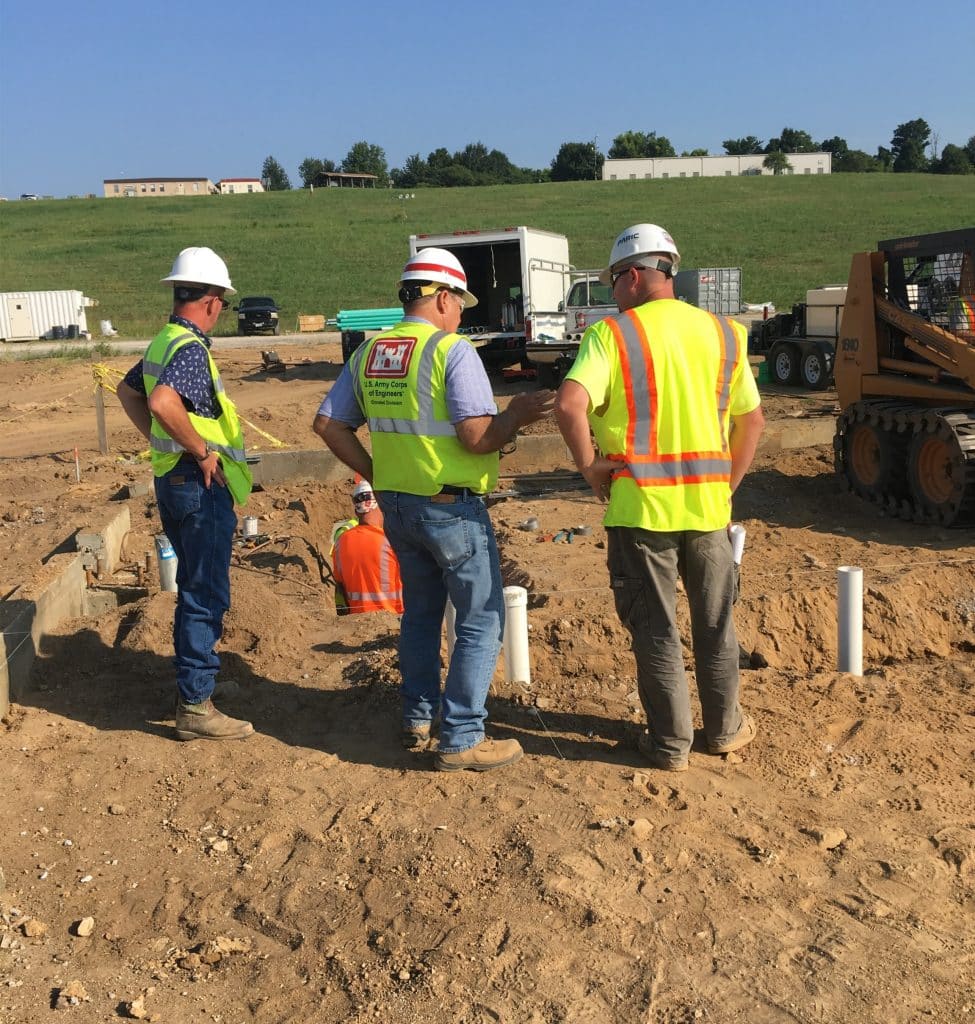
Read about our top tips for effective communication and mistakes to avoid:
Communication Problems in construction projects: Miscommunications between people
Construction communication problems can occur due to preventable mistakes in interpersonal communications. Good communication requires clear, concise communication between people, yet it is not uncommon for people to leave out important details when utilizing technology such as phone messages or email. Site managers need to make sure workers have fully heard and understand their instruction, for instance, miscommunicating how a safety zone needs to be set up can cause a potential worksite injury and delays.
Slang, short spoken communication, and mumbled directions can cause delays when work gets done incorrectly because of a lack of clear instruction.
A miscommunication may occur on paper as well, including not clearly ordered quantities of supplies for a project, or poorly communicated field measurements.
Like documents, technology can introduce a new opportunity for missed information and construction communication problems: a hasty voicemail without a callback number, or a name left, a quickly typed email on a phone, or even a long, drawn-out message can cause communication problems.
Communication problems between people are easily preventable, as long as standards for how instructions are delivered and what level of detail they need to provide are universally understood. Re-iterating these standards at kick-off meetings can reinforce good communication and prevent problems.
Communication problems in Construction: Knowledge gaps and availability of information

Many hands are involved in a construction project, with different levels of experience and knowledge of the types of work being done.
False presumptions about the knowledge of others.
From proper installation methods, to safety requirements or changes in code requirements, assumptions about what a person may know based on their area of expertise can lead to costly mistakes.
Project managers and on-site supervisors aware of the particular mistakes that can be made should take the effort to meet and communicate with the team to ensure everyone is aware and there is no knowledge gap.
Design firms should strive to provide the highest level of detail possible in their plans and project documentations, as well as any supporting documentation. Construction managers should assure their on-site team is fully versed in requirements for the project to be successful.
Communication in Construction: Documentation
Communication problems in construction projects don’t just happen when people attempt to communicate directly, they also happen through mistakes and missed information in drawings, documents, and orders. Communication problems can arise when not everyone involved in the project has the latest drawing update, or do not understand the conventions used in the drawing and make erroneous assumptions. Levels of detail thought to be unimportant to the completion of a project can be missing, that would otherwise prevent a mistake. A field measurement could be conveyed as “East of Main Rd.” without specifying, for instance if the measurement was from centerline, the curb, or the property line. This may be an extreme example but highlights one of many opportunities to miss a level of detail needed to quickly and accurately complete work.
Communication in Construction: Roles and Responsibilities
Sometimes, it is unclear who is responsible for a certain activity in the field. Communication problems can arise in construction projects when roles and responsibilities are not clearly defined. Although roles may be delegated to different contractors, managers, and designers at the outset of a project, problems may arise on the job and it may be unclear who should deal with them, or how to deal with them. Simple issues like who should accept and check deliveries of materials, to higher-level problems such as who is in charge of certain subcontractors, or who is the point of contact between the field and designers may seem to be logically in place at the outset of the project but come apart in a field situation. Establishing these responsibilities and roles in advance and reinforcing them throughout a project is key to preventing miscommunications and misdirection that could cause project delays.
